消隐边界·无限的内外
Blurring Boundaries: Infinite Inside and Out
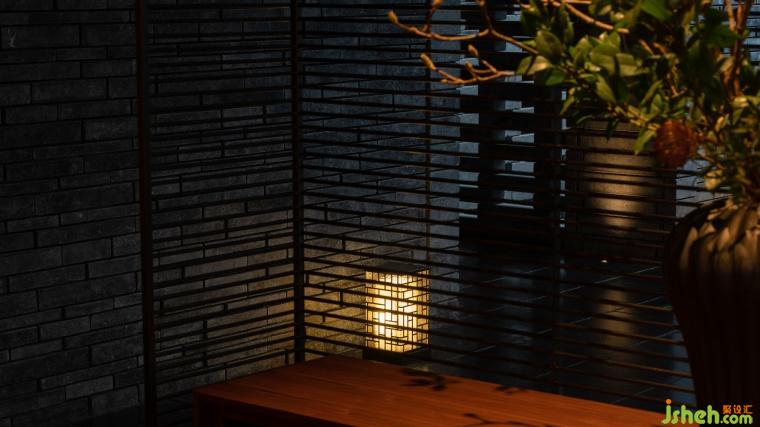
在有限的内部置于一个无限,在城市喧嚣里辟出一块自然,天地四时往来悠游,梦都會由此而生。
In this limited interior, an infinite expanse unfolds. Within the city’s hustle, Meng Du Hui carves out a pocket of nature, where time flows at its own leisurely pace.
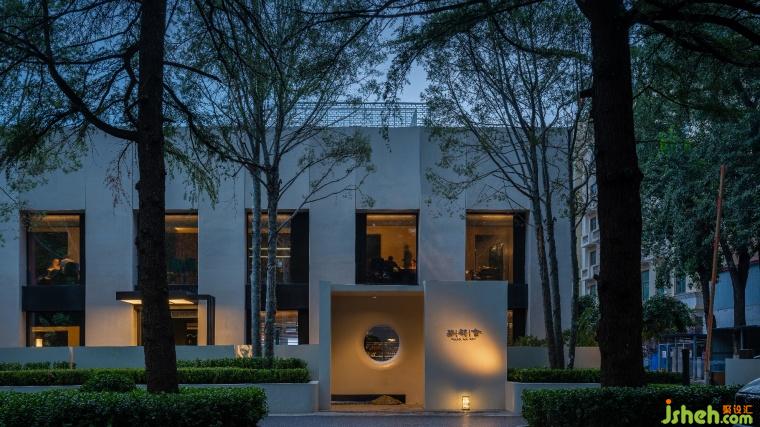
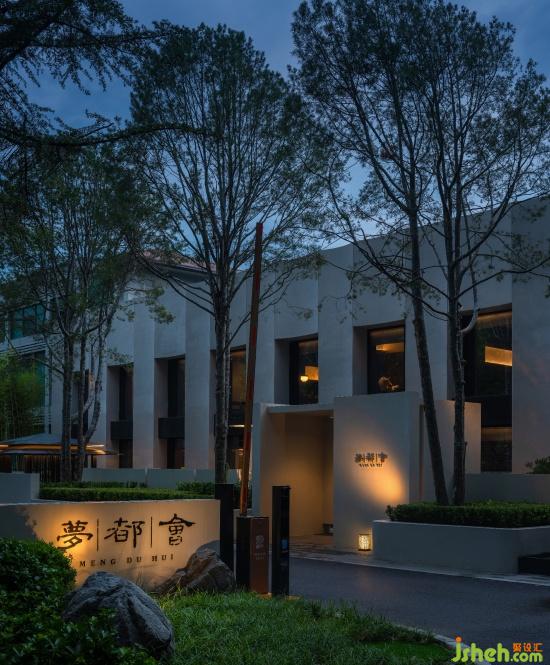
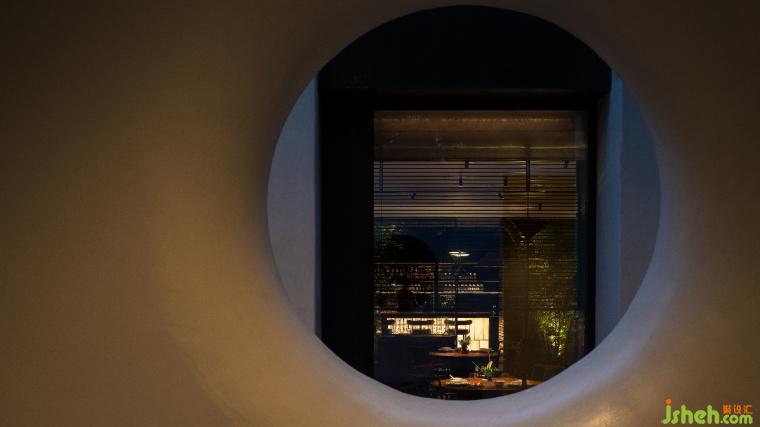
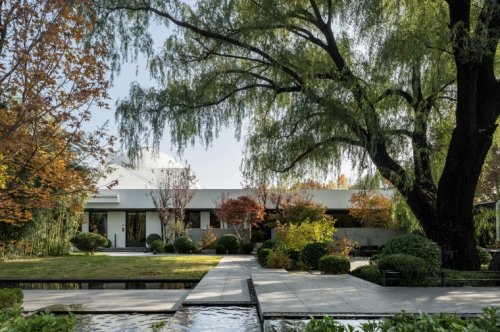
初次环游,建筑掩在园区树影后,近入口时视觉能够透过影壁上的圆形开孔穿透立面直达内部。视觉的远端镜面反射其间光影,人穿行其间层叠浮动,圆滑的孔洞如现实和虚幻空间的偶然重叠,象外有象、引人入胜。
Upon first approach, the building is hidden behind the trees of the garden. As one nears the entrance, the eye is drawn through a circular opening in the screen wall, revealing glimpses of the interior. Reflections in mirrors at the far end of the space play with light and shadow, while the rounded apertures create an intriguing overlap of reality and fantasy, enticing visitors further inside.
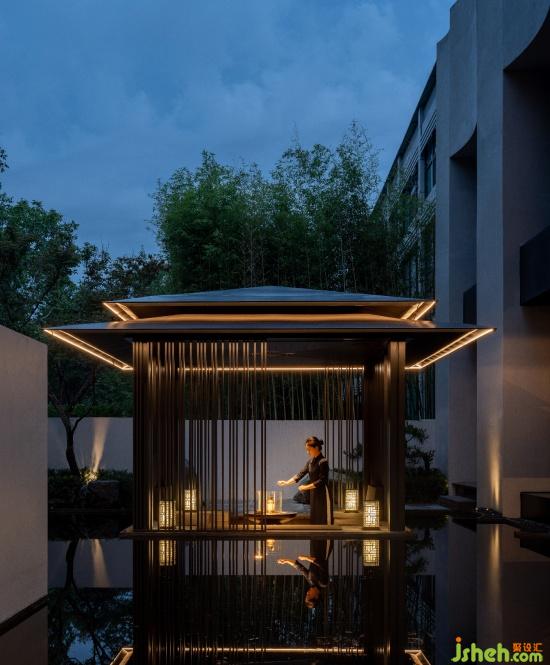
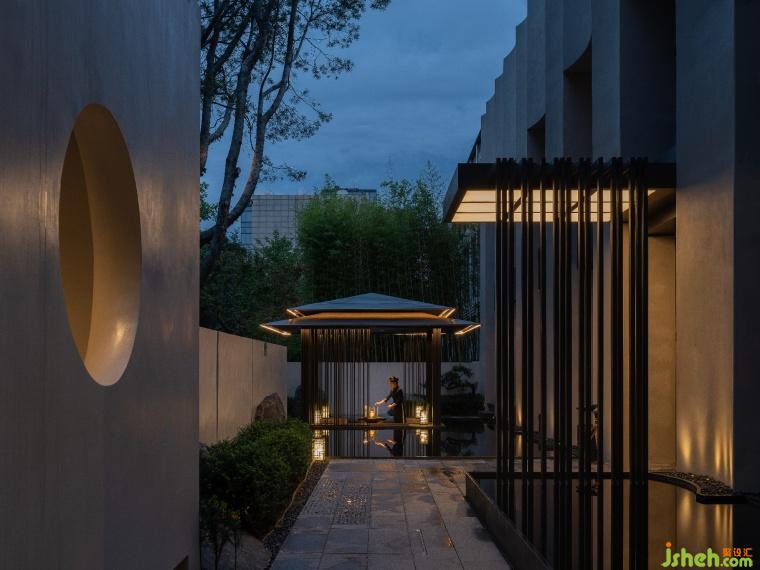
转身入内,向两侧延伸而去的水景托起踏步将人引入。远端有一座简洁的亭子,不规则林立的纤细立柱与视线尽头挺修茂盛的竹林融为一体。通过精细处理高差,使建筑、植物、亭台、水景在视野里层叠错落,一如徽派建筑与北京的融合转译,
在中国人的精神先验中,亭子同时是“外化而内不化”的代表,它如同空间的序言,释放出诗意的洗练。
Upon entry, steps flanked by water features lead visitors onward. At the far end, a simple pavilion with slender, irregular columns merges with the dense bamboo grove at the horizon. Through precise treatment of elevation, the architecture, plants, pavilion, and water features layer and overlap in the field of view—much like the fusion and reinterpretation of Huizhou architecture with Beijing’s style.
In Chinese cultural understanding, a pavilion is the representative of “Outwardly adapting to circumstance, yet inwardly preserving authenticity”. It serves as the prologue to the space, releasing a refined poetic energy.
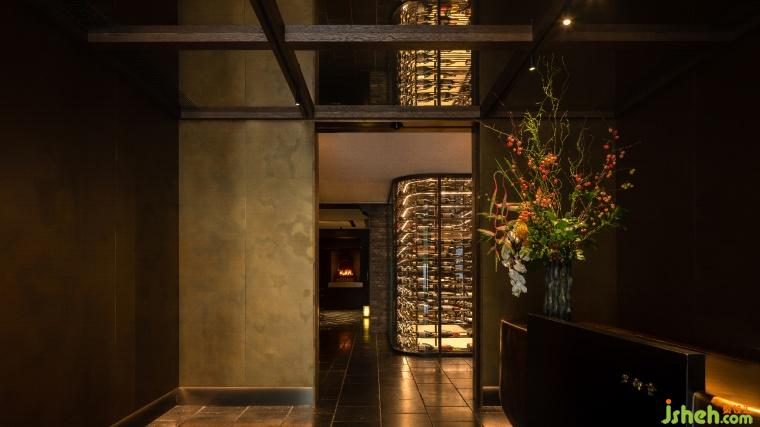
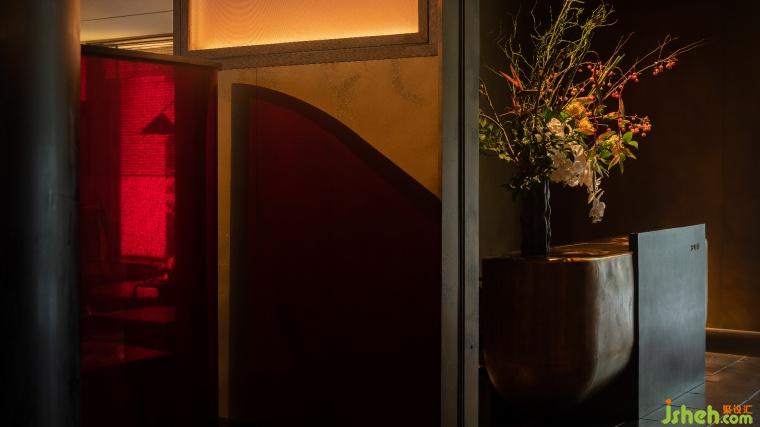
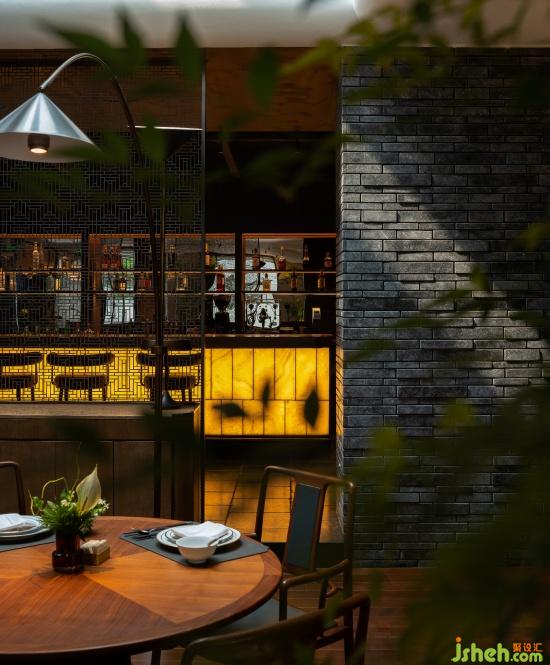
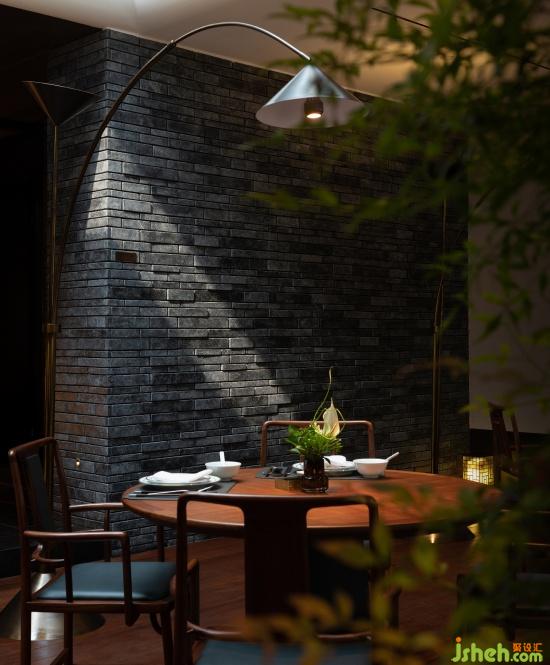
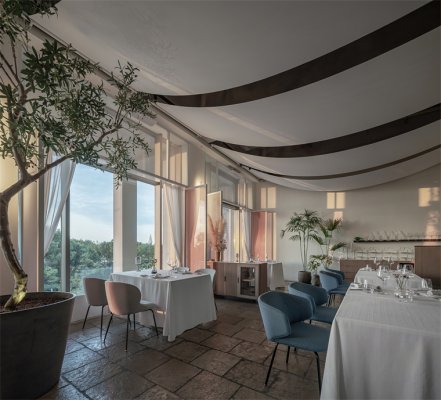
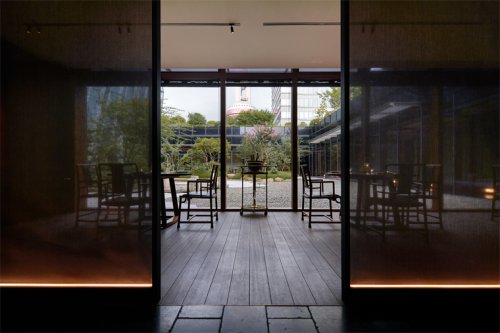
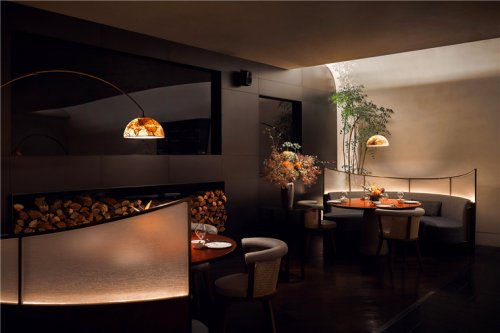
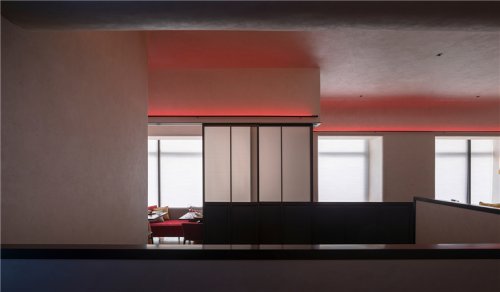
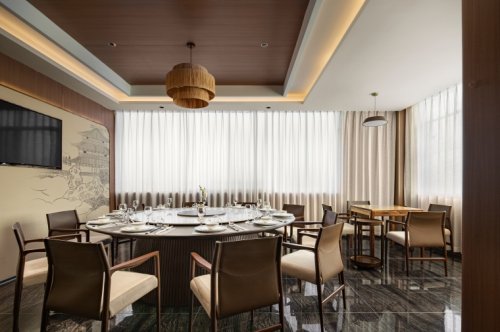
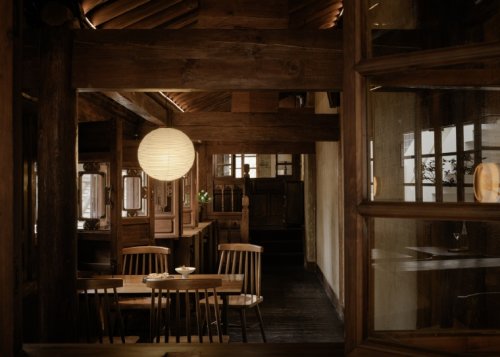
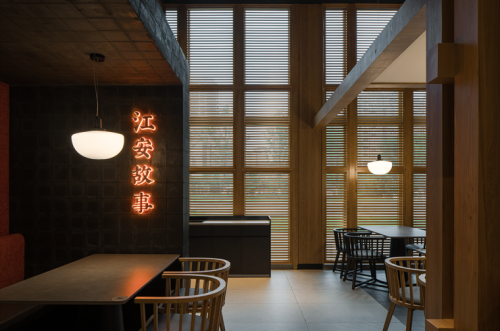
进入内部,设计荡开一笔,经过重新解析的庭院、回廊、天井、窗扇等建筑意象贯穿始终。设计引水、铺石、挑空,山水天光一一纳入,虚实并叙。
Inside, the design opens up, with reinterpretations of courtyards, corridors, atriums, and window lattices running throughout. Water flows, stones are laid, and the interplay between light and shadow invites nature into the scene, blurring the lines between the real and the imagined.