以“墙”为窗
Take The "Wall" As The Window
━
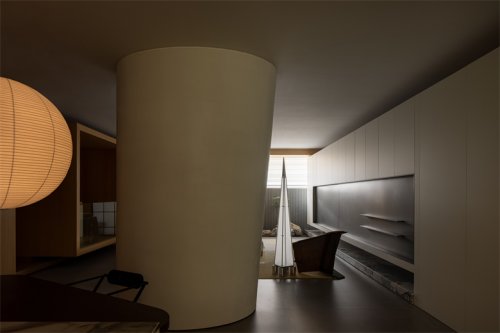
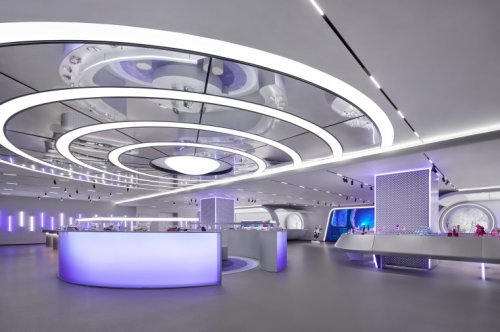
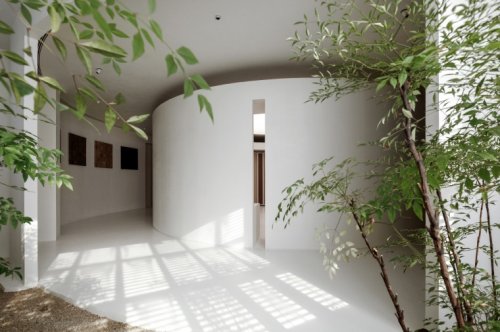
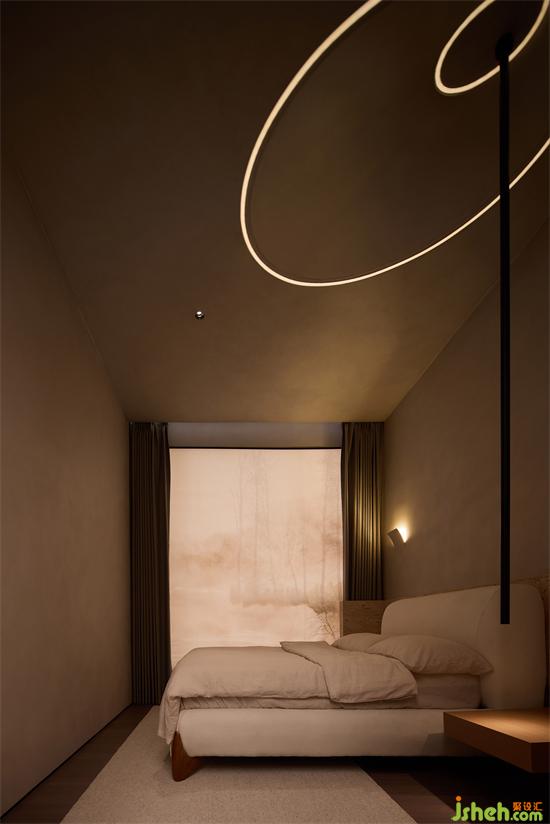
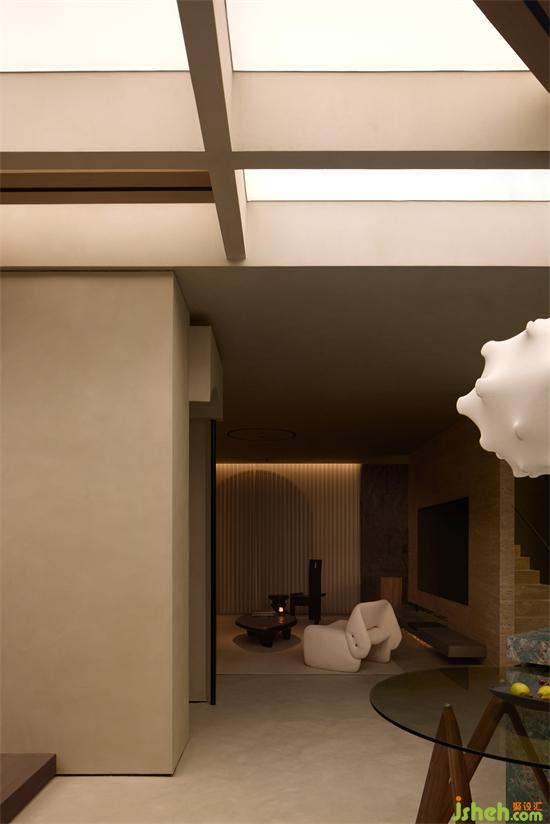
黑川雅之在描述日式的传统住宅时,形容障子门窗为“光墙”,光透过障子纸显露了暧昧的、隐约的、含蓄的东方意韵。相对于封闭的暗空间,展厅设计以“光墙”为窗的处理方式似乎变得妙不可言,因为“窗”暗示了外部的世界,以透光石云为载体,水色迷濛氤氲、草木影绰婉约的经营,令自然生动的气息扑面而来。
When describing traditional Japanese houses, Masayuki Kurokawa described shoji doors and Windows as "light walls". Light through Shoji paper reveals ambiguous, vague and implicit Oriental charm. Relative to the closed dark space, the processing method with "light wall" as the window seems to become wonderful, because "window" implies the outside world, with transparent stone cloud as the carrier, water color is dense and dense, and the management of vegetation shadow is graceful, making the natural and vivid breath.
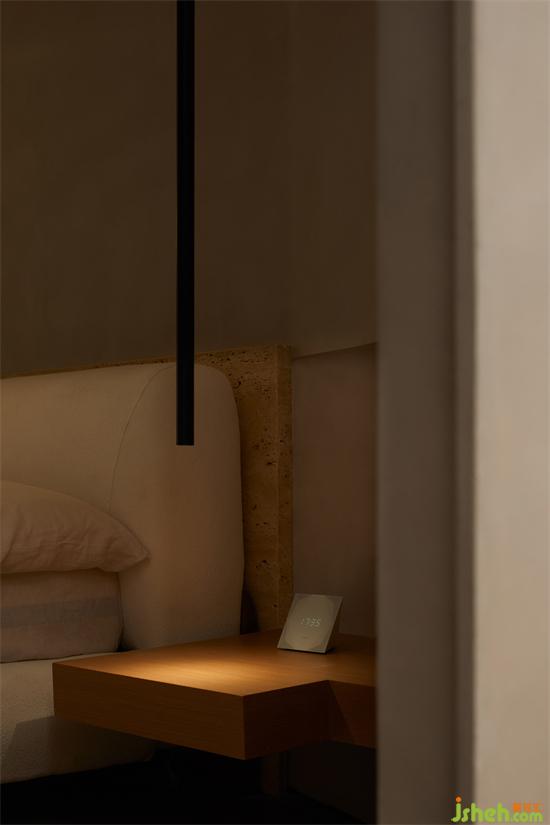
“为生活设计光”是HI.LIGHT 好光照明的品牌理念,在这里“光”并非是正常意义上物质的光,而是被转译为一种能量,关于生活的能量、空间的能量和精神的能量。展厅设计由目之所见的感知到涉及五感的具身体验,能量为空间而创造,也被恰如其分的设计动作所捕捉。
"Design light for life" is the brand concept of HI.LIGHT. Here, "light" is not material LIGHT in the normal sense, but translated into a kind of energy, energy of life, energy of space and energy of spirit. The energy is created for the space, and is appropriately captured by the design action.

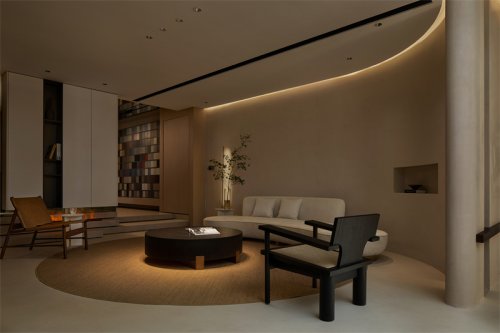
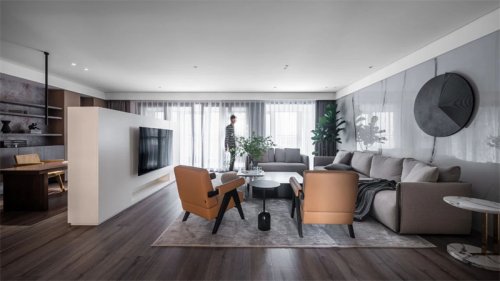
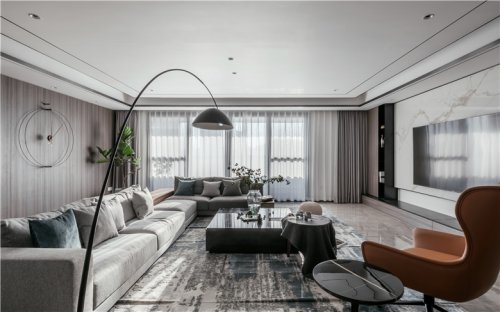
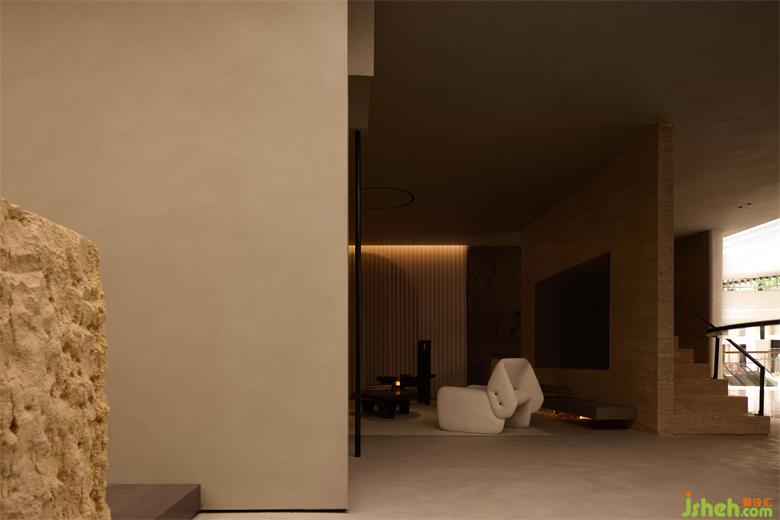
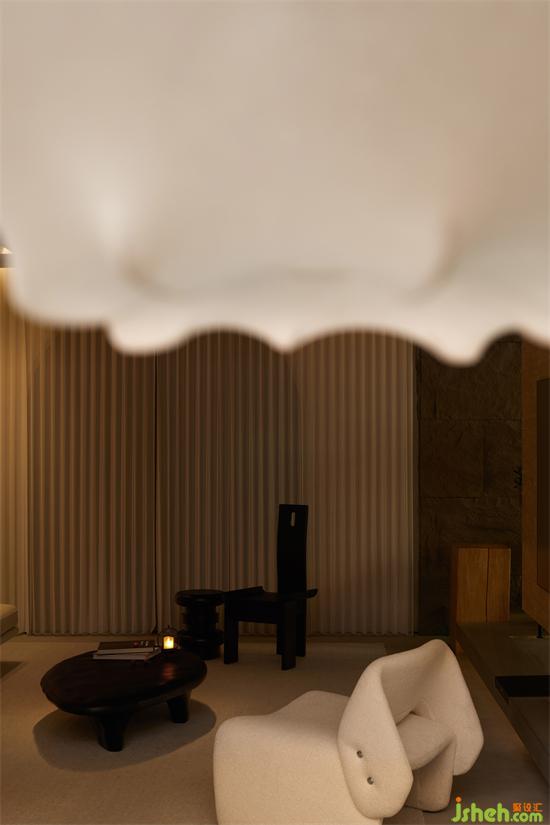
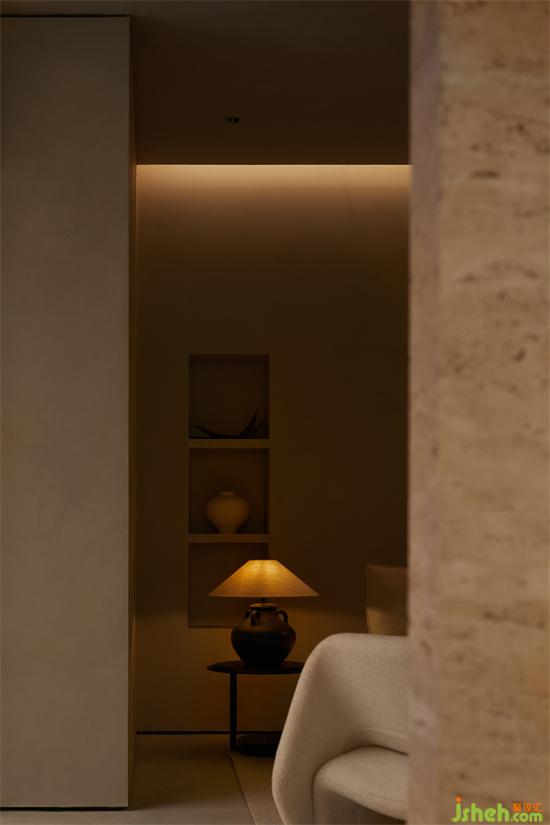
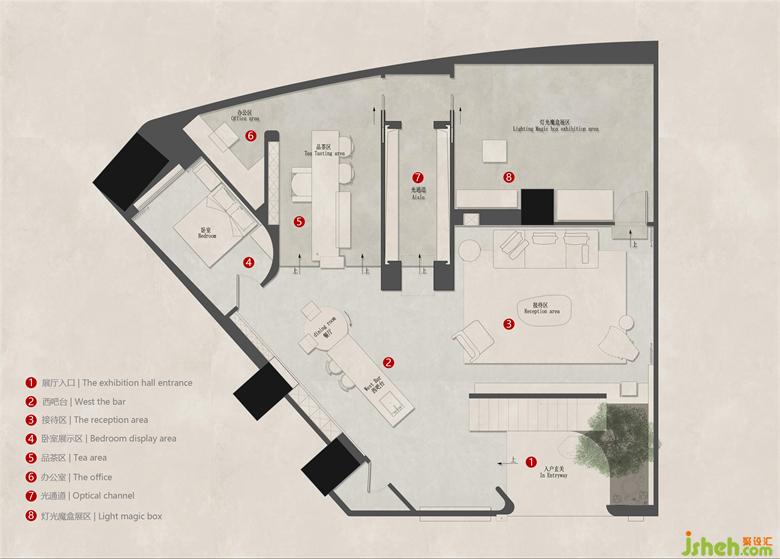
所以在整体的平面布局里,展厅设计依据功能划分为三个层级,从入口到餐厅、起居和卧室,再到品茶区、“光通道”以及灯光魔盒展区,依次渐进,访客从外入里,拾级而上,情绪、节奏、能量同样产生着微妙的变化。这种以“光”为媒介,复合的,多感官的、悄然发生的音乐性过程,我们称之为“光”的三重奏。
Therefore, in the overall layout, the exhibition hall is divided into three levels according to its function, from the entrance to the dining room, living room and bedroom, and then to the tea tasting area, "light channel" and the lighting magic box exhibition area. The visitors step up from the outside to the inside, and the mood, rhythm and energy also produce subtle changes. This kind of compound, multi-sensory and stealthily occurring musical process with the medium of "light" is called the trio of "light".
平面及设计理念
Plan&Concept
━

更多展厅设计请关注聚设汇装修平台: