“Slow down, find what moves and touches you the most in your memory, and refine their commonalities.”In the eyes of Zhu Jianping, who has been deeply engaged in real estate for decades, all these serve as the“basis”of the project and the core of urban renewal. Design begins from a connection between people and the past time, and thus incubates and activates the endogenous forces of the city.
“慢下来,找到记忆中最打动你、触动你的点,去提炼其共性。”在深耕地产数十年的朱建平眼中,这一切梳理是项目的“依据”,是城市更新的核心所在。建立人与过去时光的连接——设计由此而始,城市的内生力由此被酝酿、被激活。
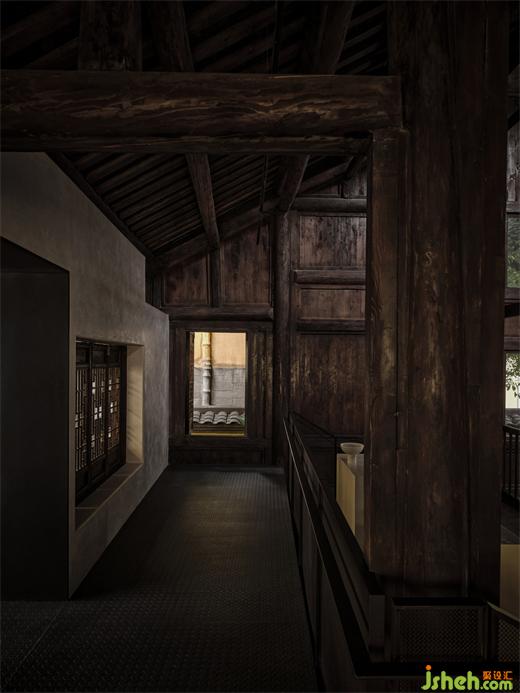
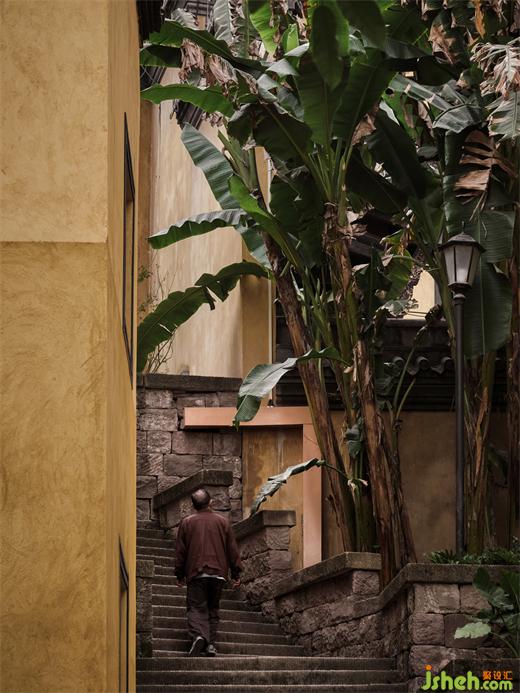
The steps covered with moss, Huguang Club standing still over time, the to-and-fro ropeway across the river, the close connection between houses and streets… All the characteristic memories of Chongqing were properly placed in people’s vision and became the background color of “Huguang · Chongqing · China” and also the design basis of Xie Ke.
石阶上长满青苔,湖广会馆静静地屹立着,来回穿梭的索道越过江面,房屋与街道之间紧密相连……所有重庆的特色记忆都被恰当地呈现在人们的视野中,成为“湖广·重庆·中国”的背景色,也是谢柯的设计基础。
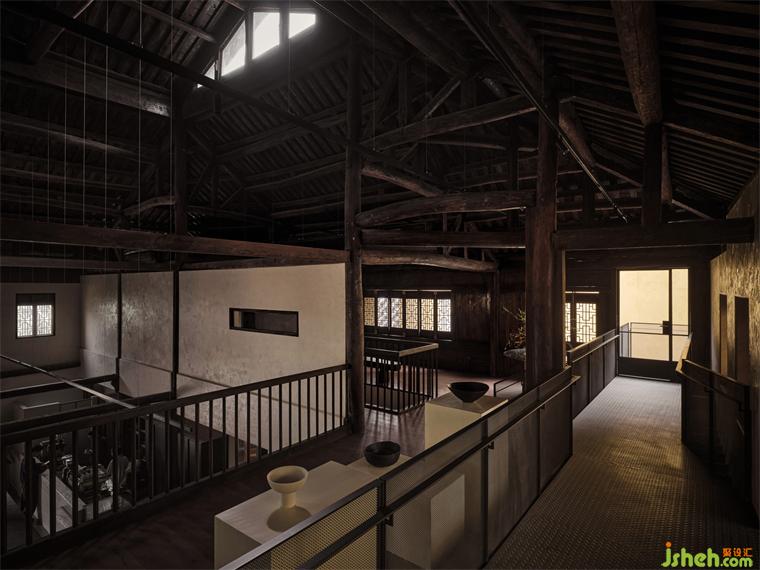
“We used wooden structures to reinforce the wooden columns and decorate the roof with old tiles … When friends visited it after the completion of the project, they couldn’t distinguish between the old and the new, since the new members and the old buildings integrate completely and interact mutually.” Qin Zheng indicated.
谢柯表示:“我们使用木结构加固木柱,并用旧瓦片装饰屋顶……当朋友们在项目完成后来参观时,他们无法区分新旧,因为新构件和老建筑交互融合”
02.Keeping a tree
保留一棵树
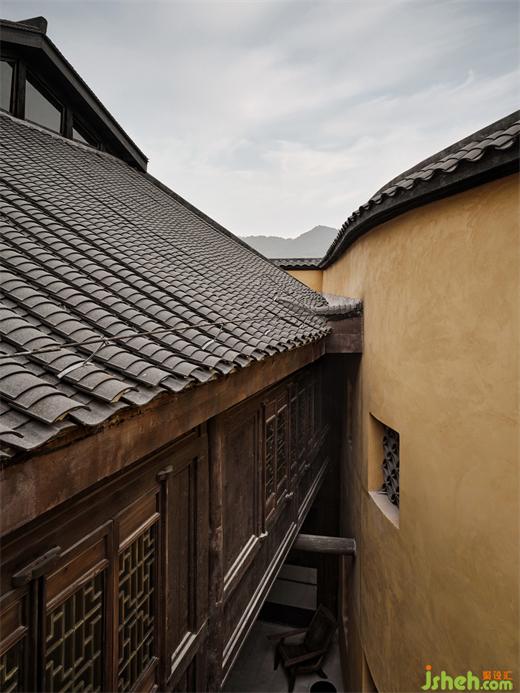
“None of the houses were sealed off, but they form a block and are opened like stilted buildings in Chongqing which grow vertically and connect laterally”— xieke
所有房屋都没有被封闭起来,会馆设计而是形成一个街区,就像重庆的吊脚楼般开放。纵向生长并横向连接。
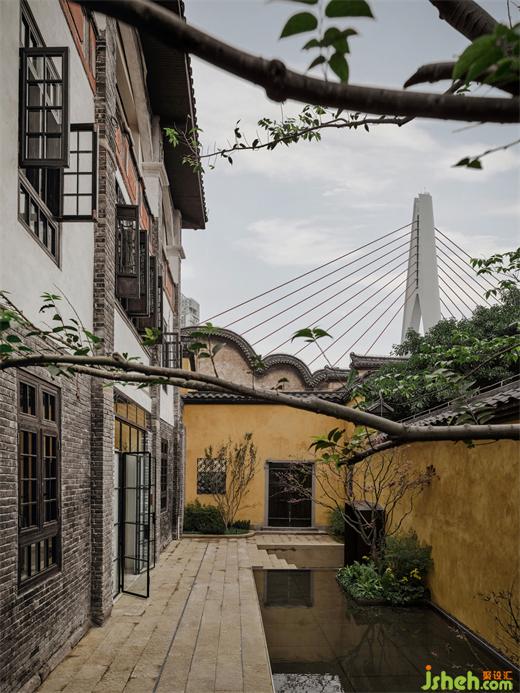
As part of the “restoring the old as it was before” philosophy, the designers opened a skylight to accommodate a Ficus virens tree. This tree makes many in Chongqing homesick with its lavish branches, leaves, and umbrella-like canopy. The cafe’s name, “Canopy,” is embraced by the skylight. The “Huguang Chongqing China” project’s guiding philosophy is to respect memory and the natural world, which is reflected in the cafe’s design as well.
会馆设计在“修旧如旧”的设计原则之下,设计师们开了一个天窗,以容纳一棵古老的黄桷树。这棵树枝叶繁茂、冠盖如伞状,唤醒重庆人的无数乡愁。这种对记忆、对自然的尊重不仅体现在咖啡馆的设计中,更是「中国·重庆·湖广」项目奉行始终的法则。
“We tried to make sure that people can see the Yangtze River, Nanshan Mountain and the streets at every of the 75 villas, and all the old buildings have been properly protected in the area.”
“我们尽量确保75栋,每个别墅都可以看到长江、南山和街道的景色,所有的老建筑都在该区域得到了妥善的保护。”

In Xie Ke’s opinion, the street structure, which differs significantly from conventional development zones, brings back fond memories of his youth and piques his interest in taking part in it. We had little experience with real estate before to beginning this project, but Huguang Club gave us a fresh perspective.
The project gave way to history, compromised with time, and then made progress by retreating, touching designers and the public with empathy. This is similar to how the Ficus Virens tree should have been removed but still stands there. The cafe’s simple building pieces, such the bar and restrooms, break up the monotony of the ancient building and give it some life. This prevents the next upgrading of the old building from being hampered. The most “modern” elements of the entire area are now the steel gallery bridge, the big folding windows, and the skylights. Most significantly, it modernizes the historic building’s “spirit” in order to restore it.
在谢柯的眼中,这种迥异于传统“开发区”的街巷结构唤醒了他儿时的记忆,激发了他参与其中的兴趣。“在这个项目前,我们已很少接触地产,但湖广会馆给了我们一种新的愿景。”
会馆设计就像是那棵或许本该被砍伐却依旧鲜活的黄桷树,项目让位于历史、妥协于时间,然后以退为进,用共情力唤醒设计师与大众。
咖啡馆中,所有的片墙均未触顶,尽可能不影响老建筑的下次更新;吧台、设施等简练的体块打破了老建筑的沉闷,为之赋予新生。简单的建筑形态,打破了古老建筑的单调性,并赋予新的生命力。这样可以避免下一次升级旧建筑时受到阻碍。
整个区域最“现代”的元素是钢结构画廊桥、大型折叠窗和天窗。它现代化了历史建筑的“精神”成为点睛之笔,以当下的方式还原了老房子的“魂”。