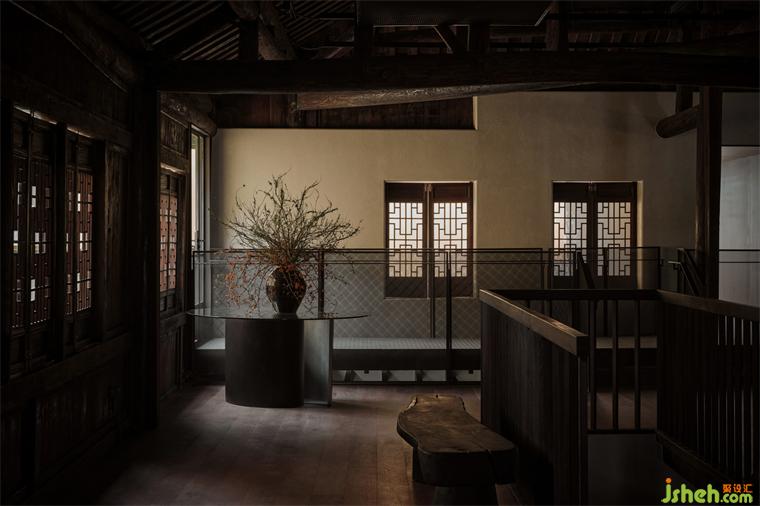
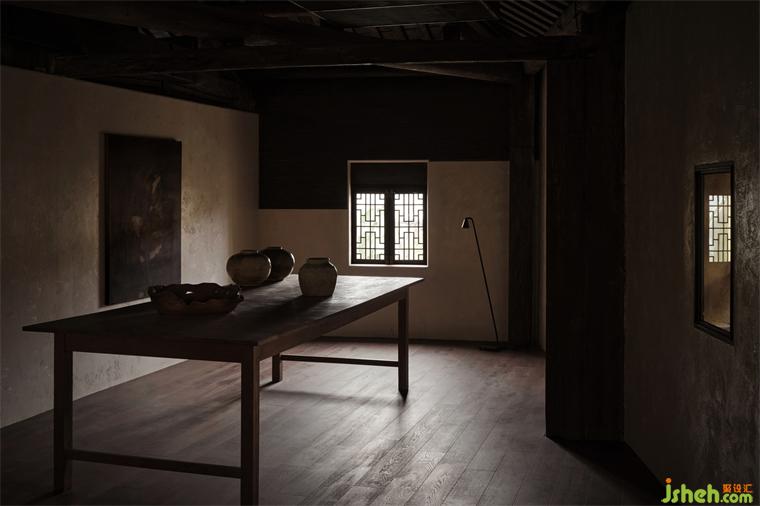
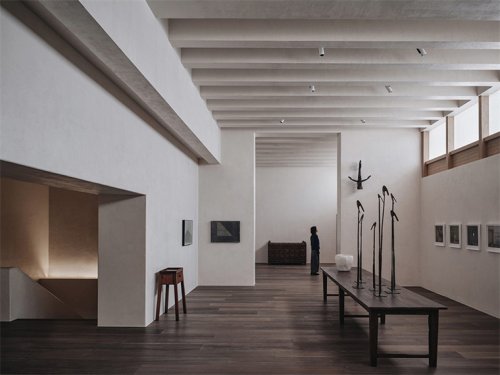
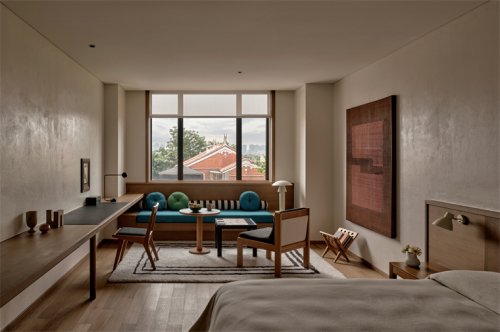
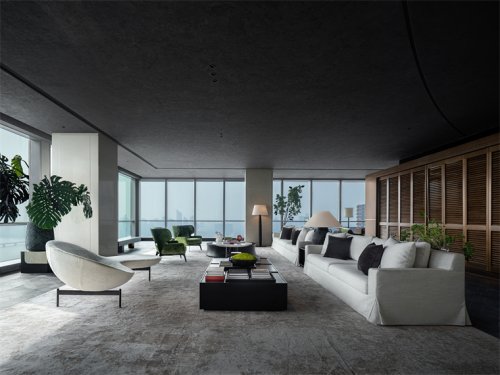
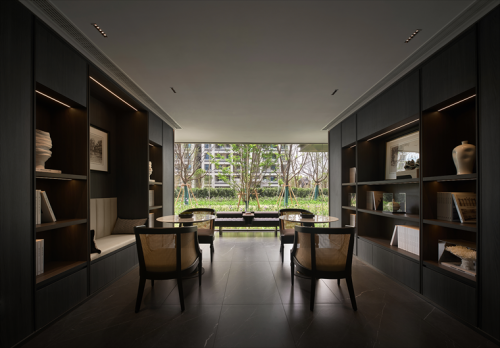
During such destruction and development, Chongqing’s upper half city transformed into a showcase for contemporary architecture, erasing memories of the past. The city’s bottom half is crammed with a lot of “old buildings,” which are careless design projects that repeatedly go through the “demolition – construction” cycle while being intended to “represent the simple and exquisite culture of Chongqing.”
在这样的破坏和发展过程中,重庆的上半城市转变成了当代建筑的展示区,抹去了过去的记忆。城市的下半部分挤满了许多“老建筑”,它们是粗心设计的“仿古项目”,一遍又一遍地经历“拆除-建设”循环,会馆设计却仍然主张着“代表重庆的古朴精致文化”。
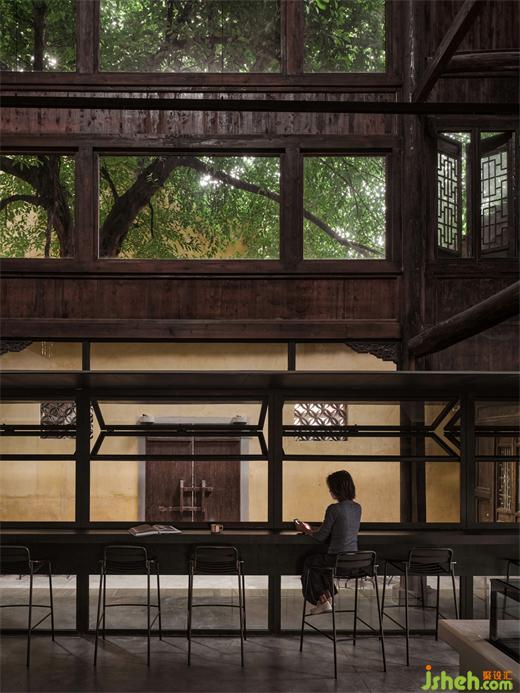
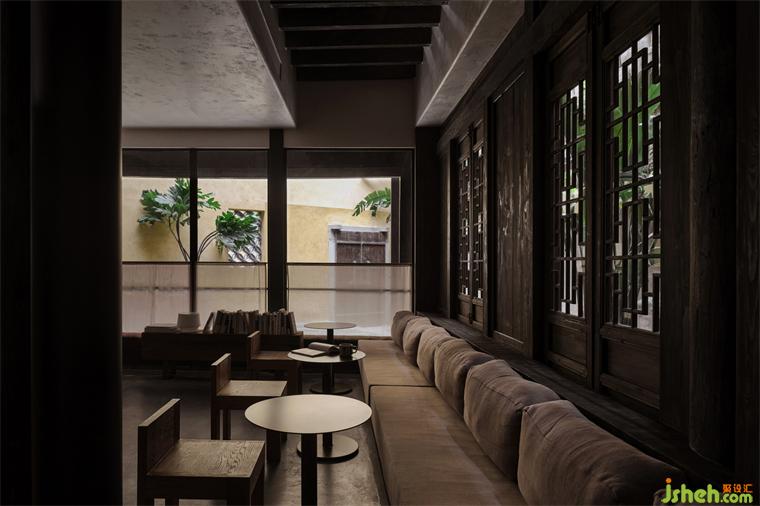
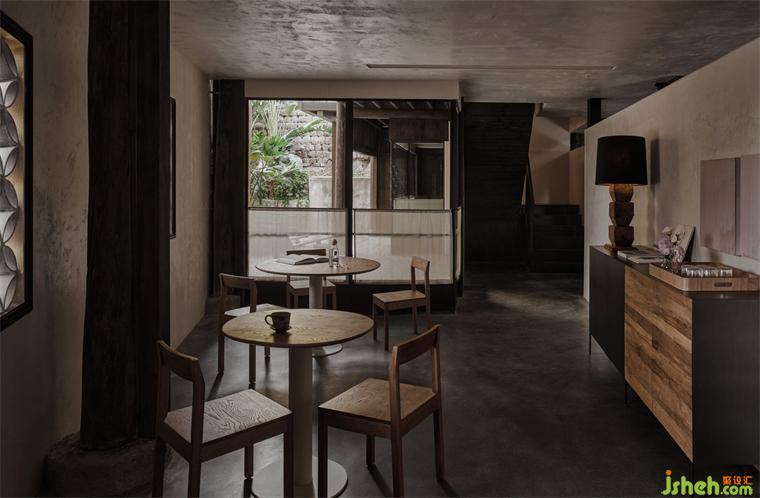
“Chongqing is of a mountainous area. People entered the room once opening the door in the past. People liked to conduct many activities ‘outdoors’, such as washing clothes and cooking on the stove top. They could see the crowd stepping up and down on the stairs in their activity gaps. When we were young, we used to take our rice bowl and go to the next door to ask for some vegetable… The neighborhood was quite harmonious. Maybe because of such harmonious relationship, I think people tend to be relatively extroverted in Chongqing.
“重庆地处山区,过去人们打开门就进入了屋子。人们喜欢在‘户外’进行各种活动,比如洗衣服或者在灶台上做饭。处理家务事的间隙,抬眼可以望到阶梯上穿梭的人群。小时候我们经常端着饭碗,到隔壁串门,去要一点蔬菜……邻里之间相当融洽。或许因为这样的关系,我认为重庆人的性格往往相对外向。”
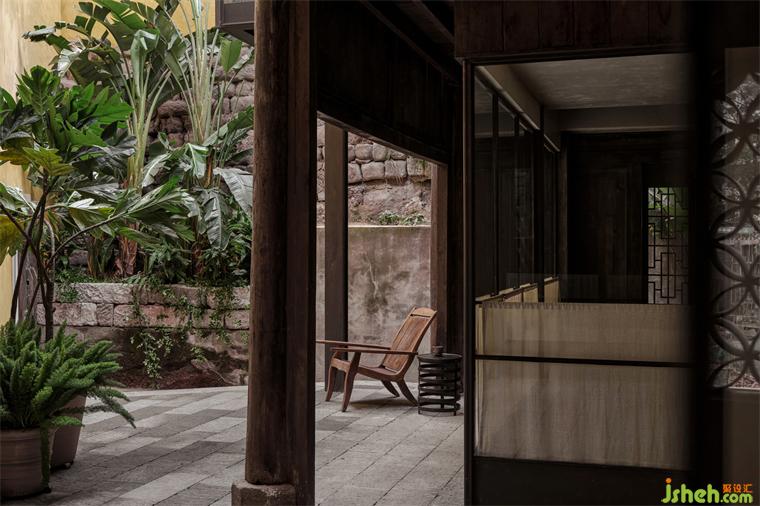
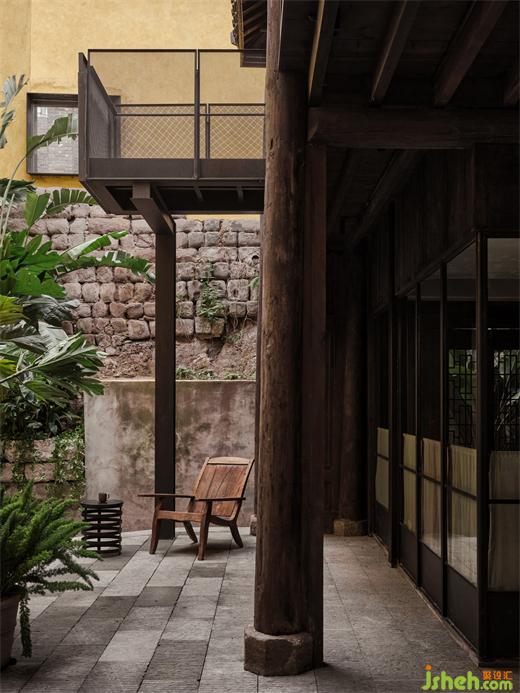
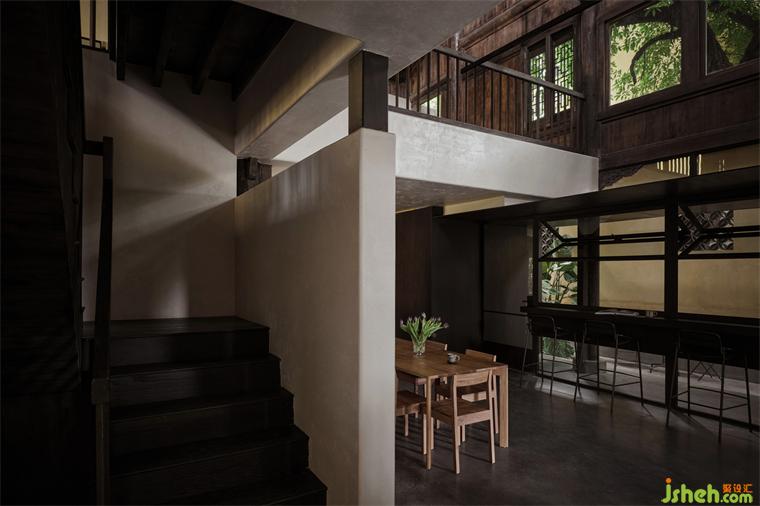
Xie Ke has been influenced by these far but clear memories, and the empathy behind them affects Chongqing people and touches outsiders.
这些经年已久却不改鲜活的记忆影响着谢柯,而它背后的共情力则广泛影响着重庆人,也让外来者为之牵动。