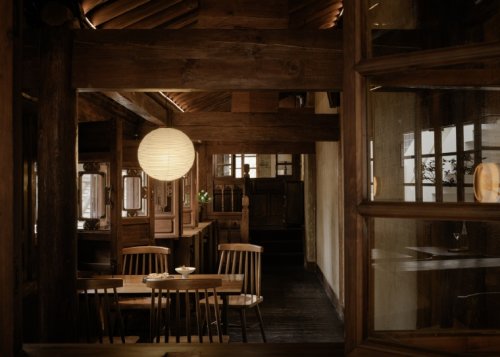
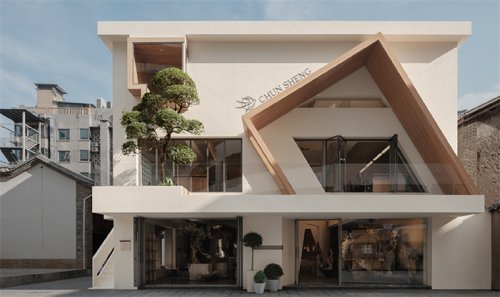
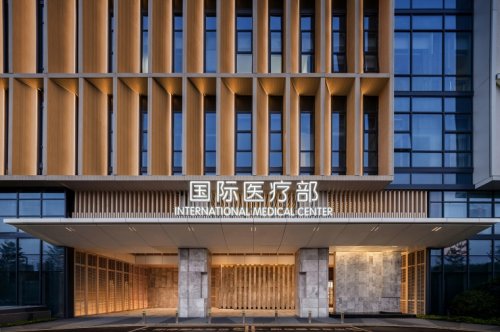
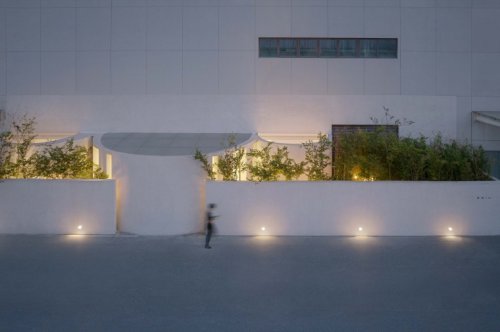
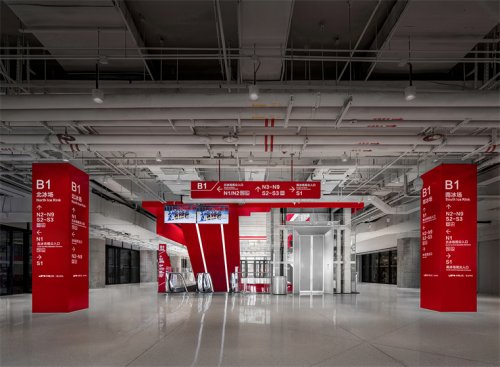
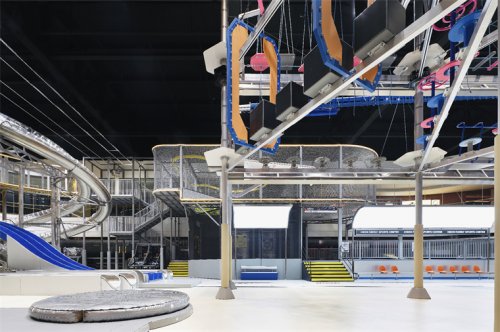
设计师在建筑的空间延续上,也在寻找自然的亲切感,将室内的空间打通,延伸至建筑外壳,自然肆意畅游于建筑内外,打破感官与空间的间隔,弥散在自然之境,体味山海间的自由律动。
In extending the space, the designer sought to evoke a natural intimacy. The interior spaces extend to the exterior, allowing nature to flow freely in and out, breaking the boundary of perception and space. One can fully embrace the free-flowing rhythm of the mountains and the water in this natural environment.


建筑的内部空间在竖向上动态分布,按不同的功能空间划分,赋予了使用者不断变化的空间需求。
The interior spaces are distributed vertically by function, catering to the changing needs of users.


摄影艺术空间设计由方格切割多变的形态,最大化自然光影的运用,创造整体建筑沉浸式的开放感,和建筑内部环境、外部环境形成动态的互动。
The use of grids and varying forms maximizes the play of natural light and shadow, creating an immersive sense of openness that encourages dynamic interaction between the building’s interior and exterior environments.

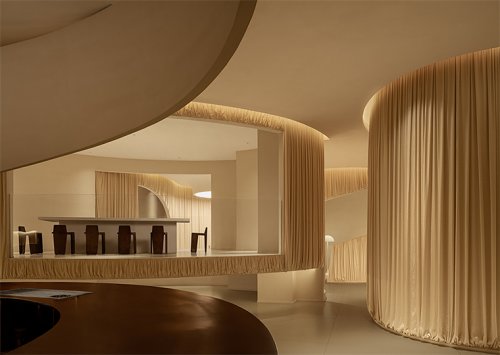
在室内空间的营造上,设计师将一层的通高拉升,将开阔、敞亮的氛围带给宾客和旅人,也为展览的功能需求开辟更广阔的适应度。
In terms of interior design, the designer elevates the story height of the first floor, creating a spacious and airy atmosphere for guests and travelers. This expansive design also accommodates the requirements of exhibitions.


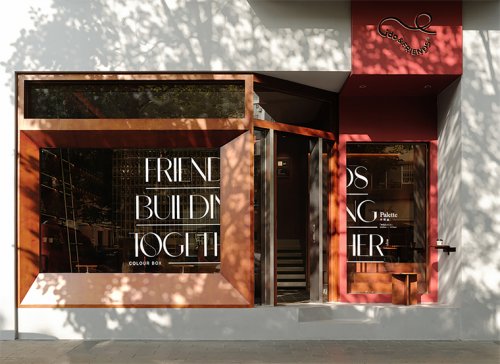
摄影艺术空间设计高而造型各异的门框,在朴素洁净的墙面展开,进一步增加空间中的通透感和明亮度。
Tall, varied door frames appear on the simple, clean walls, enhancing the sense of transparency and brightness.


简约的线条,勾勒出空间的美感。裸露的石灰墙面,从日出到日落,暗影错落流转,将时光的流动刻画。
The minimalist lines add aesthetic charm to the space. The bare plaster walls are like a canvas, recording the shifting shadows and the passage of time from sunrise to sunset.